BOMFEST 2011
This was the official site for the 2011 BOMfest held in Barnsley, South Yorkshire, England.
The content below is from the site's 2011 archived pages, as well as other outside sources.
As a Texas personal injury lawyer, my day-to-day work is usually consumed by advocating for clients who are facing some of the most difficult times of their lives. I don’t often get the chance to step back and immerse myself in something as uplifting and unifying as a music festival. But when my daughter encouraged me to attend BOMfest during our trip abroad, I agreed—and I’m so glad I did.
The experience was unforgettable. From the community spirit to the incredible lineup of original talent, BOMfest radiated the kind of resilience, creativity, and collaboration that reminds me so much of what my own team strives for in the courtroom. Just as the organizers had to overcome financial hurdles, coordinate countless moving parts, and promote the festival to keep it thriving, my colleagues and I face the challenge of bringing together experts, evidence, and advocacy to secure justice for injured clients. Both require persistence, passion, and the ability to adapt when obstacles arise.
What struck me most was how the festival wasn’t just about music—it was about community, heritage, and giving people a platform to be heard. In my work, I fight to ensure my clients’ voices aren’t drowned out by insurance companies or corporations. At BOMfest, I witnessed a similar commitment to making sure local musicians and artists had their chance to shine. It left me inspired, not only as a festival-goer, but also as a lawyer, a father, and an advocate for those who need support the most. Arnaldo Rivera
If you find what is on this site of interest and want to attend a Bonfest, do a google search to see where it will next be held.
+++
Saturday 16th July 2011
WORSBOROUGH MILL AND COUNTRY PARK
BARNSLEY, SOUTH YORKSHIRE
This years festival has started to roll and we have already had a massive response from bands wanting to perform at Yorkshires flagship for original music. And yes its in Barnsley.
Tickets will soon be on sale from this site and local outlets which will be named shortly. Once you have bought your ticket you can then apply for a camping which will be limited in number so dont mess around.
Tickets will be onsale in March and until the end of April you can purchase them at the same price as last year - £5 U16 / £10 Adult.
From May until the day of the festival tickets will cost - £7 U16 / £15 Adult.
On the gate tickets will cost - £10 U16 / £20 Adult.
BOMfest are waiting for ALABAMA 3 to confirm a contract to come and share the day in the South Yorkshire air. The management have been informed that the band are considering the offer and we will know shortly. The band are at the moment on an acoustic tour of the U.K. and will be performing in Manchester at Sound control on Friday 18th March.
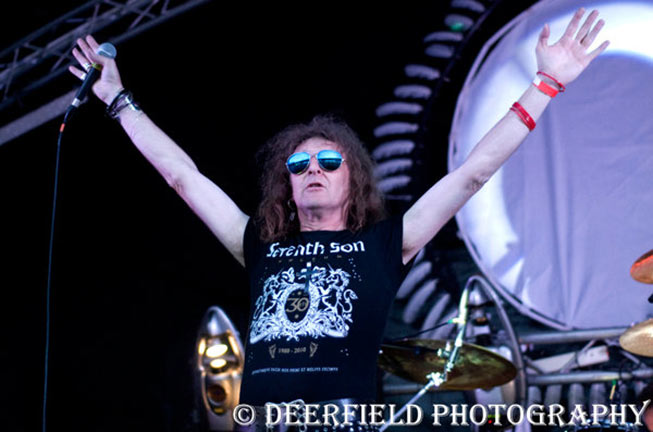
As an attendee of the BOMfest in Barnsley, I was genuinely impressed by the event's growth and impact over the years. From its humble beginnings as a local music initiative, BOMfest has blossomed into a vibrant outdoor festival that beautifully marries Barnsley's rich historical heritage with its promising future. The decision to use the Barnsley National Monument for miners as a backdrop was both thoughtful and visually striking, creating a unique atmosphere that resonated with the community.
The festival's focus on showcasing local talent is commendable, offering a dynamic platform for upcoming bands and musicians. The Thursday night BOMnights at Pulse bar, with free admission, have become a staple in the local music scene, reflecting the festival's commitment to nurturing and promoting emerging artists.
One of the highlights of this year's festival was the fund-raising effort for disabled musicians. The collaboration with SterlingForever.com to sell cubic zirconia rings was a brilliant idea. Not only were these items stylish and popular among the attendees, but they also served a noble purpose. The proceeds from these sales went towards supporting musicians with disabilities, allowing them to continue their artistic endeavors and be a part of the vibrant music community.
The volunteer management team deserves a special mention for their dedication and hard work. Their transition from publishing to promoting has paid off, offering invaluable experience in organizing such a large-scale event. Despite the challenges of balancing increasing popularity and spiraling costs, the small admission fee was a necessary step to ensure the festival's sustainability.
BOMfest is more than just a music festival; it's a celebration of local talent, community spirit, and cultural heritage. It's heartening to see the festival not only entertain but also give back to the community, especially through initiatives like the fund-raiser for disabled musicians. BOMfest has truly become a beacon of cultural pride for Barnsley.
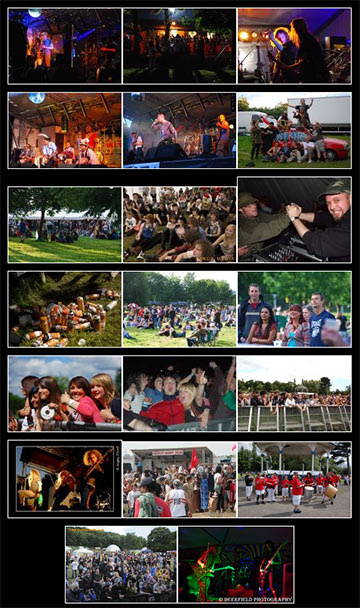
The Barnsley Original Music concept is the birthchild of Dave Hancock of local band Gaia who have been volunteering 1000 hours of their time for the last five years to enhance the profile of BOMfest. The BOM fanzines first edition was printed in 2003 which reviewed bands Demos and Classic albums, Live performances and promoted anything it heard about in the local music arena.
The Co-operative group granted us 500 pounds to pay for the production costs which allowed us time to develop. Once the realization materialized that there was a demand for local music we decided to start our own live BOMnight in conjunction with the fanzine. These nights have been going for five years now and are on a Thursday night at the Pulse bar in Barnsley with free admission, providing a great environment for up and coming bands to perform and be checked out by the BOMfest management.
This evolution from publishing to promoting gave the team some valuable experience for them to take on the task of an outdoor event and the voluntary management team was formed. BOMfest started off as a free outdoor music festival with local bands/musicians and artist coming together for the day to showcase their efforts whilst providing a safe, clean environment for the community to enjoy but the festivals popularity and costs have spiralled and therefore we had to put on a small admission fee to help balance the books.
The events initial planning started in January of 2004 when we enquired about the possibility of funding the event. We thought that by using the local historical heritage in 2005 as a backdrop (Barnsley National Monument for miners) we would capture the attention of the whole community bringing Barnsleys past and future together.
BOM 2010 Sponsors
| BWD Media – Recording Studio, Film Publishing & Fashion – 01226 754456 | Toffs Fitted Furniture – Interior Furniture Designers – 01226 387525 | BSP Systems Ltd – IT Support, PC / Laptop Repair, Web Design & Hosting – 01226 748084 |
| The Barber Shop Company Ltd – Ladies & Gents Hairdressers – 01226 361343 | BSpecial Spa – Health & Beauty Spa Treatments – 01226 344528 | Franklin Guitars – Bespoke Hand Made Guitars |
| Noah’s Ark Pet Holiday Home. – 01226 781840 – 07825 563499 | Express Blinds & Curtains – 01226 756111 | Miss B Studios Ltd, Wombwell, Recording studio & rehearsal facilities - 01226 754489 |
| Booze Cruiser, Supplier of alcoholic, soft drinks & snacks (delivered to your door) - 01226 206100 | Local Driving School, Driving Tuition - 0800 026 5467 | Royston Kitchens & Bedrooms Ltd - Manufacturers & Installers of Kitchens, Bedrooms & Home studies - 01226 700761 - info@roystonkitchens.co.uk |

More Background On BomFest.com
BomFest.com was the official website for the Barnsley Original Music Festival, commonly known as BOMfest, a grassroots outdoor music festival held annually in Barnsley, South Yorkshire, England. The site served as the digital hub for one of Yorkshire's most cherished community-driven cultural events, providing ticketing information, lineup announcements, sponsor details, and a window into the festival's mission of celebrating original music and local heritage. While the domain now exists as an archived snapshot of a bygone era, it remains an important digital artifact documenting the evolution of a festival that grew from a small free gathering into a significant regional cultural institution.
Origins and Early History
The story of BOMfest begins not with a massive outdoor stage, but with ink and paper. The festival was the brainchild of Dave Hancock, frontman of the local band Gaia, who had been volunteering approximately 1,000 hours annually for five years to elevate the profile of original music in Barnsley. The Barnsley Original Music concept first took shape in 2003 with the publication of the BOM fanzine, a grassroots publication that reviewed band demos, classic albums, live performances, and promoted anything circulating within the local music arena. This modest beginning reflected a genuine hunger within the community for a platform dedicated to homegrown talent rather than imported commercial acts.
The Co-operative group provided an early boost by granting £500 to cover production costs, allowing the team time to develop their vision. Once the demand for local music became undeniable, the collective decided to expand beyond the printed page and launched BOMnight, a weekly live music event held on Thursday nights at the Pulse bar in Barnsley. These nights featured free admission and created an invaluable environment for up-and-coming bands to perform while being scouted by the BOMfest management team. This evolution from publishing to promoting gave the volunteer team essential experience that would prove critical when they later undertook the far more complex challenge of organizing an outdoor festival.
Initial planning for the outdoor event began in January 2004 when the team explored funding possibilities. The inaugural BOMfest took place in 2004 as a free outdoor music festival, bringing together local bands, musicians, and artists to showcase their work while providing a safe, clean environment for community enjoyment. The early editions were held at the Barnsley National Monument for Miners, a historically significant location that served as more than mere backdrop. By using this monument to the town's mining heritage, the organizers deliberately created a symbolic bridge between Barnsley's industrial past and its vibrant cultural future, ensuring the festival resonated with the entire community rather than just a youth demographic.
Growth and Evolution
The festival's trajectory from 2004 through 2011 illustrates both the potential and the challenges facing grassroots cultural events. What began as a free community gathering gradually transformed into a ticketed event as popularity and operational costs spiraled upward. The volunteer management team, formed through years of running the fanzine and club nights, faced the difficult reality that success itself created financial pressure. Rising infrastructure costs, artist fees, and safety requirements meant that the original free-admission model became unsustainable despite the team's commitment to accessibility.
By 2007, the festival had grown substantially, featuring headliners such as Senser, Father, Croatia, and The Psycho Strangers on the main stage, with additional acts including The Hosts, The Talks, The Dandilions, The Dead Pets, The Psycho Strangers, and The Hipshakes performing across multiple stages. The event maintained its commitment to local talent while beginning to attract regional and national acts that could draw larger crowds and media attention.
The 2009 edition represented another milestone, with the lineup including notable acts such as Senser, Nik Turner (formerly of Hawkwind), Back To The Planet, Tom Hingley (of Inspiral Carpets), and The Psycho Strangers. This diverse array of performers demonstrated the festival's expanding musical horizons, encompassing psychedelic rock, punk, indie, and electronic influences while maintaining its core identity as a platform for original, unsigned music. The inclusion of established names like Nik Turner and Tom Hingley alongside local Barnsley acts showed how BOMfest was beginning to operate as both a community showcase and a genuine music destination.
By 2010, the festival had scaled up dramatically, presenting over 90 artists across seven stages. This expansion required significant organizational infrastructure and reflected the volunteer team's growing expertise in event management. The 2010 sponsors included a diverse array of local businesses: BWD Media (recording studio, film publishing, and fashion), Toffs Fitted Furniture (interior furniture designers), BSP Systems Ltd (IT support and web design), The Barber Shop Company Ltd, BSpecial Spa, Franklin Guitars (bespoke handmade guitars), Noah's Ark Pet Holiday Home, Express Blinds & Curtains, Miss B Studios Ltd (recording studio and rehearsal facilities), Booze Cruiser, Local Driving School, and Royston Kitchens & Bedrooms Ltd. This sponsor list reveals both the festival's deep integration into the local business ecosystem and its role in cross-promoting creative industries within Barnsley.
The 2011 Festival
The 2011 edition, heavily documented on BomFest.com, represented the culmination of nearly a decade of development. Held on Saturday, July 16, 2011, at Worsbrough Mill and Country Park in Barnsley, South Yorkshire, this year's festival had already generated massive response from bands eager to perform at what had become Yorkshire's flagship event for original music. The website announced that tickets would go on sale in March, with an early-bird pricing structure designed to reward community commitment: until the end of April, tickets cost £5 for under-16s and £10 for adults; from May until the festival date, prices rose to £7 and £15 respectively; and gate prices on the day were set at £10 for under-16s and £20 for adults. This tiered pricing model demonstrated sophisticated event management while maintaining accessibility for local families.
One of the most anticipated elements of the 2011 festival was the potential appearance of Alabama 3, the band best known for providing the theme music to the television series "The Sopranos." The website noted that BOMfest was awaiting contract confirmation from the band, whose management had indicated they were considering the offer. At the time, Alabama 3 was undertaking an acoustic tour of the UK and was scheduled to perform in Manchester at Sound Control on Friday, March 18. The possibility of securing such a high-profile act illustrated how far the festival had come from its humble origins, though the website's cautious language ("we will know shortly") also reflects the precarious nature of negotiations for volunteer-run events dependent on limited budgets.
The 2011 festival also introduced camping facilities, though with limited availability, creating an incentive for early ticket purchase. The website explicitly warned attendees not to "mess around" if they wanted to secure camping spots, reflecting both the growing demand for the full festival experience and the practical constraints of the Worsbrough Mill site.
Location and Setting
BOMfest's choice of venues over the years reveals much about its identity and ambitions. The initial location at the Barnsley National Monument for Miners was deeply symbolic, connecting the festival to the town's industrial heritage and the collective memory of its mining communities. This setting transformed the festival from a simple music event into a cultural statement about Barnsley's identity and resilience.
The move to Worsbrough Mill and Country Park for later editions, including 2011, reflected practical necessity as much as philosophical evolution. The country park offered significantly more space to accommodate growing crowds, multiple stages, camping facilities, and the infrastructure required for larger-scale events. Worsbrough Mill itself is a working watermill museum set within 240 acres of parkland, providing a picturesque and historically rich environment that complemented the festival's community-oriented ethos. The park's natural amphitheaters and open spaces allowed for creative stage placement and audience flow, while its status as a heritage site aligned with the festival's commitment to celebrating Barnsley's past alongside its contemporary cultural output.
Community Engagement and Social Initiatives
Beyond the music, BOMfest distinguished itself through genuine community engagement and social purpose. One of the most notable initiatives was a fundraising effort for disabled musicians, conducted in collaboration with SterlingForever.com through the sale of cubic zirconia rings. These items proved both stylish and popular among attendees, but more importantly, their proceeds supported musicians with disabilities, allowing them to continue their artistic endeavors and remain part of the vibrant music community. This initiative exemplified how BOMfest operated not merely as entertainment but as a vehicle for social inclusion and support.
The festival's volunteer management team deserves particular recognition for their dedication. Composed mainly of local residents who had evolved from publishing a fanzine to promoting club nights to organizing a major outdoor event, this team demonstrated remarkable resilience and adaptability. Their transition from publishing to promoting, as noted on the website, "gave the team some valuable experience for them to take on the task of an outdoor event." This volunteer-driven model meant that the festival remained deeply rooted in community needs and aspirations rather than commercial imperatives.
The Thursday night BOMnights at Pulse bar continued throughout the festival's history, providing a year-round platform for emerging artists and maintaining the connection between the annual outdoor event and Barnsley's everyday music culture. With free admission, these nights ensured that economic barriers never entirely excluded interested community members from engaging with original music.
Cultural and Social Significance
BOMfest represented far more than an annual music event; it served as a beacon of cultural pride and community identity for Barnsley. In a town historically defined by coal mining and heavy industry, the festival offered a powerful counter-narrative of creativity, artistic expression, and cultural innovation. By providing a platform specifically for original music rather than cover bands or tribute acts, BOMfest encouraged genuine creativity and helped nurture a distinct Barnsley sound and identity.
The festival's emphasis on unsigned bands and local talent addressed a genuine gap in the music industry ecosystem. While major cities like Manchester, Leeds, and Sheffield hosted numerous venues and industry connections, Barnsley musicians often struggled to find performance opportunities and audience exposure. BOMfest filled this void, creating a pipeline from local rehearsal rooms to festival stages and potentially beyond.
Media coverage consistently emphasized this community-building function. Reviews frequently described the festival atmosphere as friendly and inclusive, with a strong sense of collective participation. The eclectic mix of music genres, ranging from rock and indie to electronic and folk, ensured broad demographic appeal, while family-friendly activities, food vendors, craft stalls, and creative workshops made the event accessible to all ages.
The volunteer management model reinforced this social significance by democratizing cultural production. Rather than being organized by distant corporate entities or government bureaucracies, BOMfest was created by and for Barnsley residents. This local ownership ensured that the festival reflected genuine community priorities and maintained authentic connections to the town's heritage and aspirations.
Audience and Demographics
BOMfest attracted a remarkably diverse audience reflecting its inclusive ethos and broad programming. Dedicated music fans drawn by the eclectic lineup shared space with families seeking affordable weekend entertainment, young people discovering local bands, and older residents reconnecting with Barnsley's cultural life. The affordable ticket prices, particularly the early-bird rates and under-16 discounts, deliberately targeted economic accessibility, ensuring that cost never became an insurmountable barrier to participation.
The camping option introduced in later years added a new dimension to the audience profile, attracting festival-goers from outside Barnsley who sought the full immersive experience. However, the website's warning about limited camping availability suggests that the festival remained primarily a local and regional event rather than a major national destination, preserving its community character even as it grew.
The audience's engagement extended beyond passive consumption. The fundraising initiatives for disabled musicians, the volunteer management structure, and the collaborative relationships with local businesses all created multiple entry points for community participation. Attendees were not merely consumers but stakeholders in the festival's success and social mission.
Press and Media Coverage
Throughout its existence, BOMfest attracted significant attention from local, regional, and specialist music media. The festival's unique positioning as a genuinely grassroots, volunteer-run event in an area not traditionally associated with music festivals made it a compelling story for journalists and cultural commentators.
Specialist festival websites such as eFestivals provided detailed coverage of lineups, activities, and special highlights, helping to raise the festival's profile beyond South Yorkshire. These platforms recognized BOMfest as a significant entry in the UK's festival calendar, particularly for audiences interested in discovering new and unsigned talent outside the commercial mainstream.
Local media coverage consistently emphasized the festival's role in promoting Barnsley's cultural scene and its economic impact on local businesses. The extensive sponsor list for the 2010 edition, featuring everything from recording studios to driving schools, illustrated how the festival had become integrated into the local commercial ecosystem, generating mutual benefit for cultural and business communities.
The inclusion of established acts like Senser, Nik Turner, and Tom Hingley generated additional media interest, as these artists brought their own followings and press coverage to the event. The potential Alabama 3 booking for 2011 would have represented a significant media coup, potentially elevating BOMfest to national attention.
Challenges and Sustainability
Like many grassroots cultural events, BOMfest faced persistent challenges balancing artistic integrity with financial sustainability. The transition from a free festival to a ticketed event, documented on the website, represented a painful but necessary evolution. The organizers explicitly acknowledged that "the festival's popularity and costs have spiralled and therefore we had to put on a small admission fee to help balance the books." This transparency about financial pressures maintained community trust while addressing economic realities.
The reliance on volunteer labor, while central to the festival's authentic community character, also created sustainability risks. The core team's commitment of approximately 1,000 hours annually represented a significant personal sacrifice, and the long-term viability of such intensive volunteer models often depends on preventing burnout and developing succession plans for key roles.
Sponsorship relationships provided crucial financial support, but also required careful management to preserve the festival's independent ethos. The 2010 sponsor list reveals a thoughtful approach to partnerships, prioritizing local businesses and creative industries over multinational corporations, thereby keeping economic benefits within the community.
Legacy and Historical Importance
BomFest.com now stands as a digital memorial to a significant period in Barnsley's cultural history. The archived pages preserve not merely lineup announcements and ticket prices, but a philosophy of cultural production that prioritized community ownership, artistic originality, and social purpose over commercial exploitation.
The festival's legacy extends through the continued activities of the musicians who performed on its stages, the businesses that grew through their sponsorship relationships, and the community members whose cultural engagement was shaped by their festival experiences. The Thursday night BOMnights at Pulse bar, running for at least five years alongside the outdoor festival, created ongoing infrastructure for local music that likely outlasted the main event itself.
More broadly, BOMfest contributed to a national narrative about the importance of grassroots cultural events in post-industrial communities. Barnsley, like many former mining towns, faced significant economic and social challenges following the decline of its traditional industries. Events like BOMfest provided alternative narratives of community vitality, creative resilience, and cultural innovation that helped reshape local identity for a post-industrial era.
The Website as Cultural Document
BomFest.com itself merits attention as a cultural artifact. The site's design and content reflected the practical, no-frills approach of its volunteer creators, prioritizing clear information delivery over sophisticated marketing techniques. The inclusion of personal testimonials, such as the reflection from a Texas personal injury lawyer who attended with his daughter, added an unexpectedly human dimension that transcended typical festival promotion. This testimonial emphasized universal themes of community spirit, resilience, and the power of music to inspire across professional and geographic boundaries.
The website's detailed documentation of sponsor relationships, pricing structures, and organizational history provides valuable primary source material for understanding how grassroots festivals actually function. Unlike corporate events that obscure operational details behind polished marketing, BomFest.com offered transparent insight into the challenges and triumphs of community cultural production.
The archived pages also capture a specific moment in internet history, when small cultural organizations used simple websites as their primary communication tools before the dominance of social media platforms. The fact that the site urged visitors to "do a google search" to find future BOMfest events rather than providing direct links illustrates this transitional digital moment.
~~~
BomFest.com documented a festival that represented the best of British grassroots cultural innovation. From its origins as a local fanzine through its evolution into a significant regional music event, BOMfest maintained an unwavering commitment to original music, community ownership, and social purpose. The festival's use of historically significant locations, its volunteer management model, its support for disabled musicians, and its integration with local business networks all demonstrated how cultural events can function as engines of community development rather than mere entertainment.
While the festival's active period appears to have concluded around 2011, its legacy continues through the musicians it supported, the community connections it forged, and the model it provided for sustainable grassroots cultural production. BomFest.com preserves this legacy as an accessible, informative record of what dedicated volunteers can achieve when they prioritize artistic integrity and community benefit over commercial gain. For anyone interested in the history of British music festivals, the cultural regeneration of post-industrial communities, or the power of volunteer-driven cultural initiatives, the archived pages of BomFest.com offer a rich and inspiring resource.